
Everyday Habits That Quietly Damage Your Heart
(And How to Fix Them Early)
Last updated: 08-04-2026

When we think about heart disease, we imagine extreme causes — smoking, obesity, or genetic risk.
But the real danger is often much quieter.
It’s in your daily routine.
Long hours of sitting.
Processed food on busy days.
Poor sleep.
Chronic stress.
An extra drink to unwind.
These habits feel normal — but over time, they slowly strain your heart.
And because the damage is gradual, most people don’t notice it until it becomes serious.
The truth? Heart disease is largely preventable — if you catch these patterns early.
What Are Everyday Habits That Damage Your Heart?
These are routine behaviors that silently increase cardiovascular risk over time.
Think of it like slow rust.
You don’t see the damage immediately, but it builds day after day.
Common Heart-Damaging Habits:
- Prolonged sitting
- Processed and high-sodium food intake
- Poor or inconsistent sleep
- Chronic stress
- Excess alcohol consumption
Individually, they may seem harmless. Together, they significantly increase heart disease risk.
Why These Daily Habits Matter More Than You Think
These everyday behaviors can:
- Raise blood pressure and cholesterol
- Increase inflammation
- Disrupt metabolism and hormones
- Reduce energy and focus
- Increase risk of heart attack and stroke
Research consistently shows that lifestyle factors are one of the biggest drivers of cardiovascular disease worldwide.
How These Habits Affect Your Heart (Explained Simply)
🚶 Sitting Too Long
- Slows blood circulation
- Reduces calorie burn
- Increases insulin resistance
Result: Higher cardiometabolic risk
🍟 Processed & High-Sodium Foods
- Raises blood pressure
- Damages blood vessels
- Promotes plaque buildup
Result: Increased risk of hypertension & heart disease
😴 Poor or Irregular Sleep
- Raises stress hormones
- Increases inflammation
- Disrupts blood pressure regulation
Result: Higher risk of heart failure and stroke
🧠 Chronic Stress
- Keeps cortisol elevated
- Increases heart rate & BP
- Strains cardiovascular system
Result: Long-term heart damage
🍷 Excess Alcohol
- Raises blood pressure
- Disrupts heart rhythm
- Weakens heart muscle over time
Result: Increased risk of arrhythmias and hypertension
Early Warning Signs You Should Not Ignore
Heart damage often builds silently — but your body gives signals.
Watch for:
- Rising blood pressure
- Constant fatigue
- Snoring or disrupted sleep
- Frequent headaches
- Heart palpitations
- Shortness of breath
- Feeling anxious or “on edge”
Catching these early can prevent major complications.
How to Track Your Heart Health Daily
Instead of waiting for symptoms, you can track key indicators:
- Blood pressure levels
- Heart rate trends
- Sleep quality
- Stress levels
- Daily movement
- Oxygen levels (SpO₂)
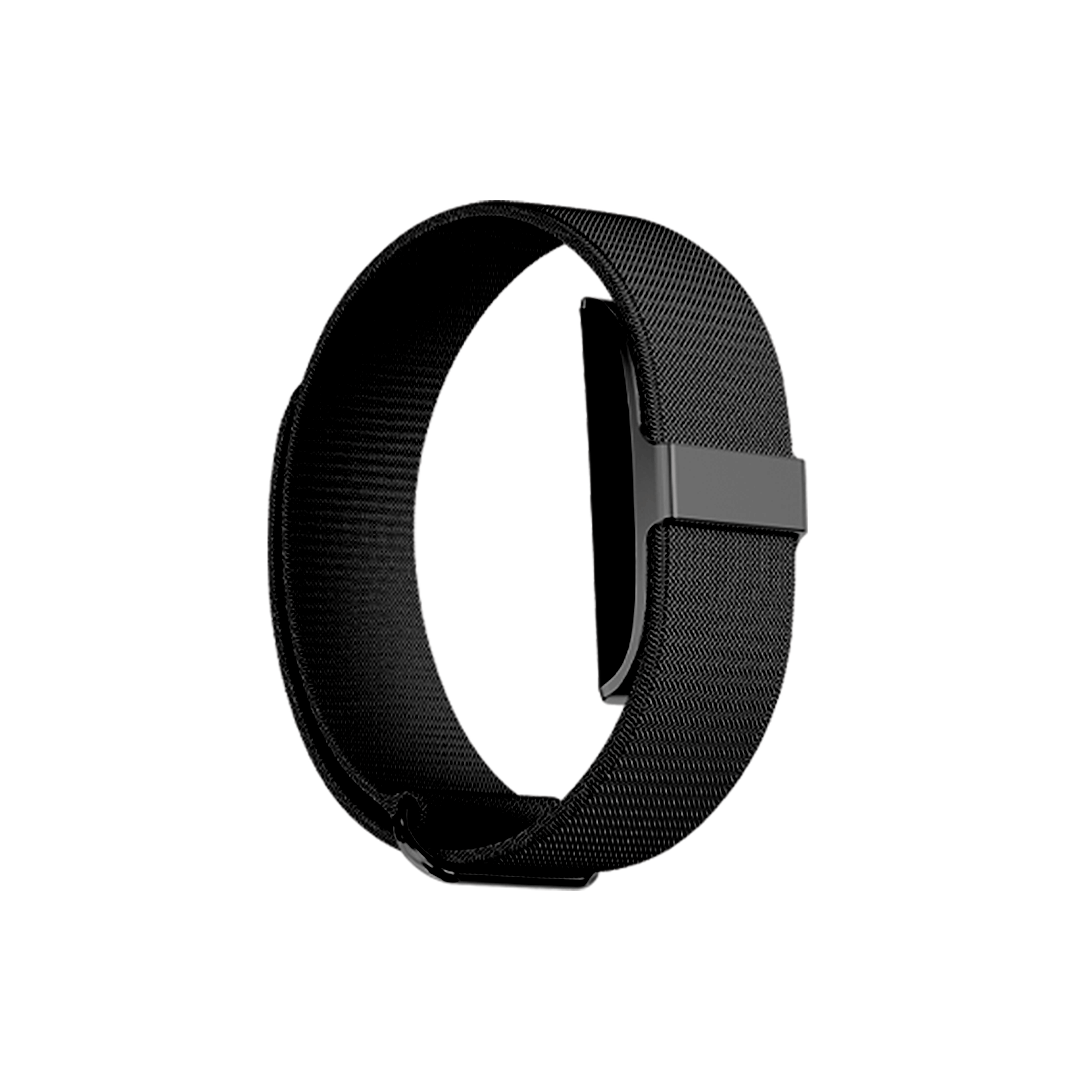
This is where continuous health tracking becomes critical.
Tracking trends — not just one-time readings — helps you act early.

How to Fix These Habits (Simple, Science-Backed Changes)
- Move More Throughout the Day
Break sitting every 30–60 minutes. Even light movement improves circulation. - Choose Whole Foods Over Processed Foods
Focus on:
✅ Fruits & vegetables
✅ Whole grains
✅ Nuts & legumes
These support heart health and reduce inflammation. - Reduce Sodium Intake
Lower salt = better blood pressure control. - Prioritize 7–8 Hours of Sleep
Consistent sleep reduces cardiovascular risk significantly. - Manage Stress Daily
By walking, breathing exercises and with better sleep. All these will support your heart health. - Limit Alcohol Consumption
Moderation reduces long-term strain on your heart. - Get Regular Health Checkups
Track:
✅ Blood pressure
✅ Cholesterol
✅ Blood sugar
✅ Fitness levels
Early detection saves lives.
The Future of Heart Health: Prevention Over Cure
Healthcare is evolving.
From:
❌ Treating disease after symptoms
To:
✅ Preventing disease before it starts
This shift is powered by:
- AI-based health insights
- Wearable health devices
- Remote monitoring
- Digital health ecosystems
Future Health is part of this shift — helping people detect risks early and build healthier habits.
Key Takeaways
- Everyday habits silently impact heart health
- Small behaviors, repeated daily, create long-term risk
- Sleep, movement, stress, and nutrition matter more than you think
- Tracking your health helps detect problems early
- Prevention is more powerful than treatment

Dr. Ashel Olivia Dsouza
Dr. Ashel Olivia Dsouza is a dental surgeon and Endodontist with a focus on conservative, precision-based dentistry. She completed her BDS at Oxford Dental College and her MDS in Endodontics from VS Dental College.
She currently practices as an Endodontist in private practice and has a strong interest in academic research, with experience in thesis writing and a publication to her credit.
Alongside her clinical work, she writes health blogs aimed at simplifying medical concepts and making healthcare easier to understand.