
How Continuous Health Monitoring Helps Detect Early Heart Risk
Ultimate Guide to Wearable Heart Health Monitoring in 2026
Last updated: 01-01-2026
Why Continuous Health Tracking Is a Heart Game-Changer

Heart disease has become the No.1 cause of death globally, and what makes it even more dangerous is its silent nature. Most heart-related issues develop slowly, quietly, and without obvious symptoms. Today’s lifestyle—stressful routines, poor sleep, ultra-processed food, and long screen hours—has pushed heart risks into younger age groups as well.
But here’s the good news:
Continuous health tracking is transforming heart awareness like never before.
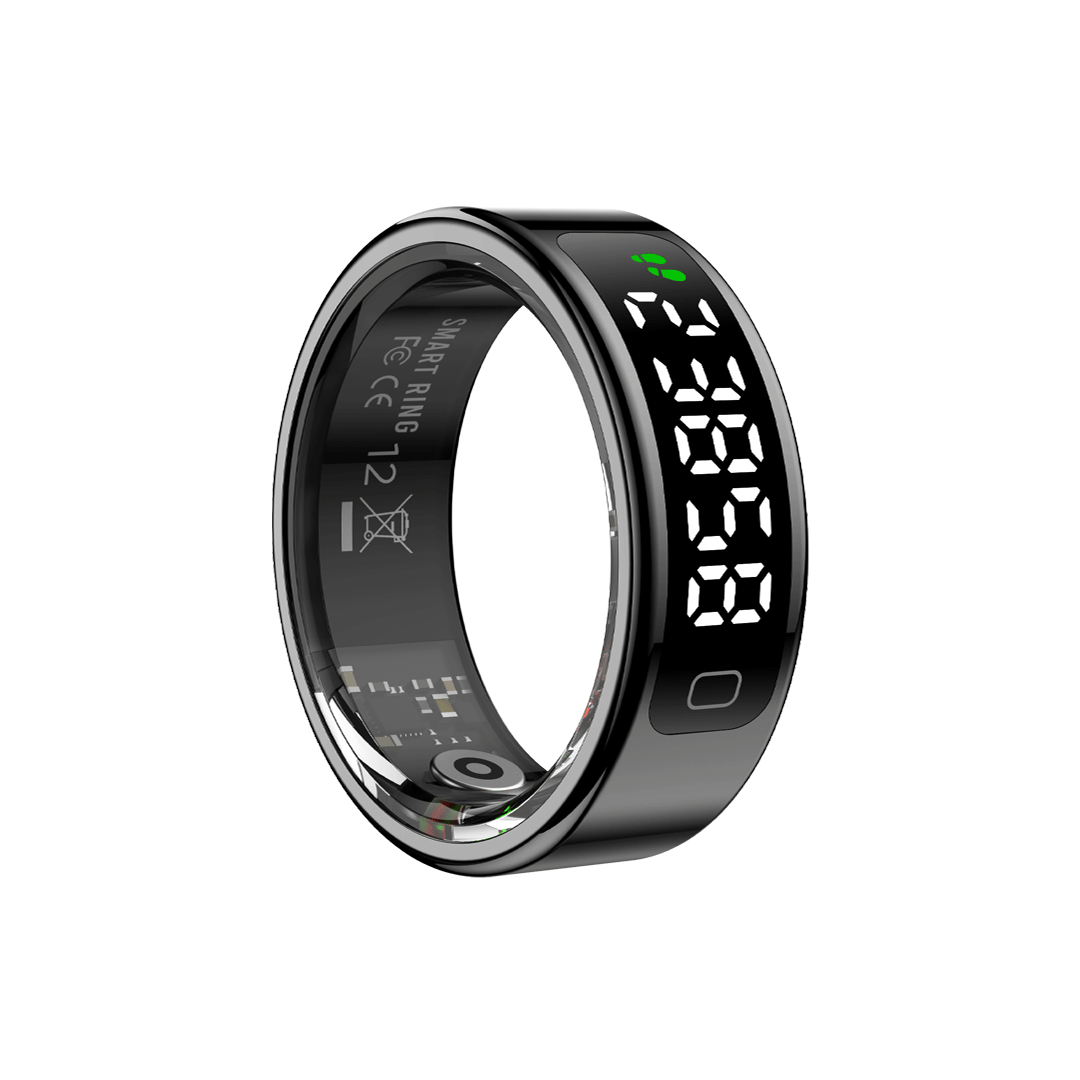
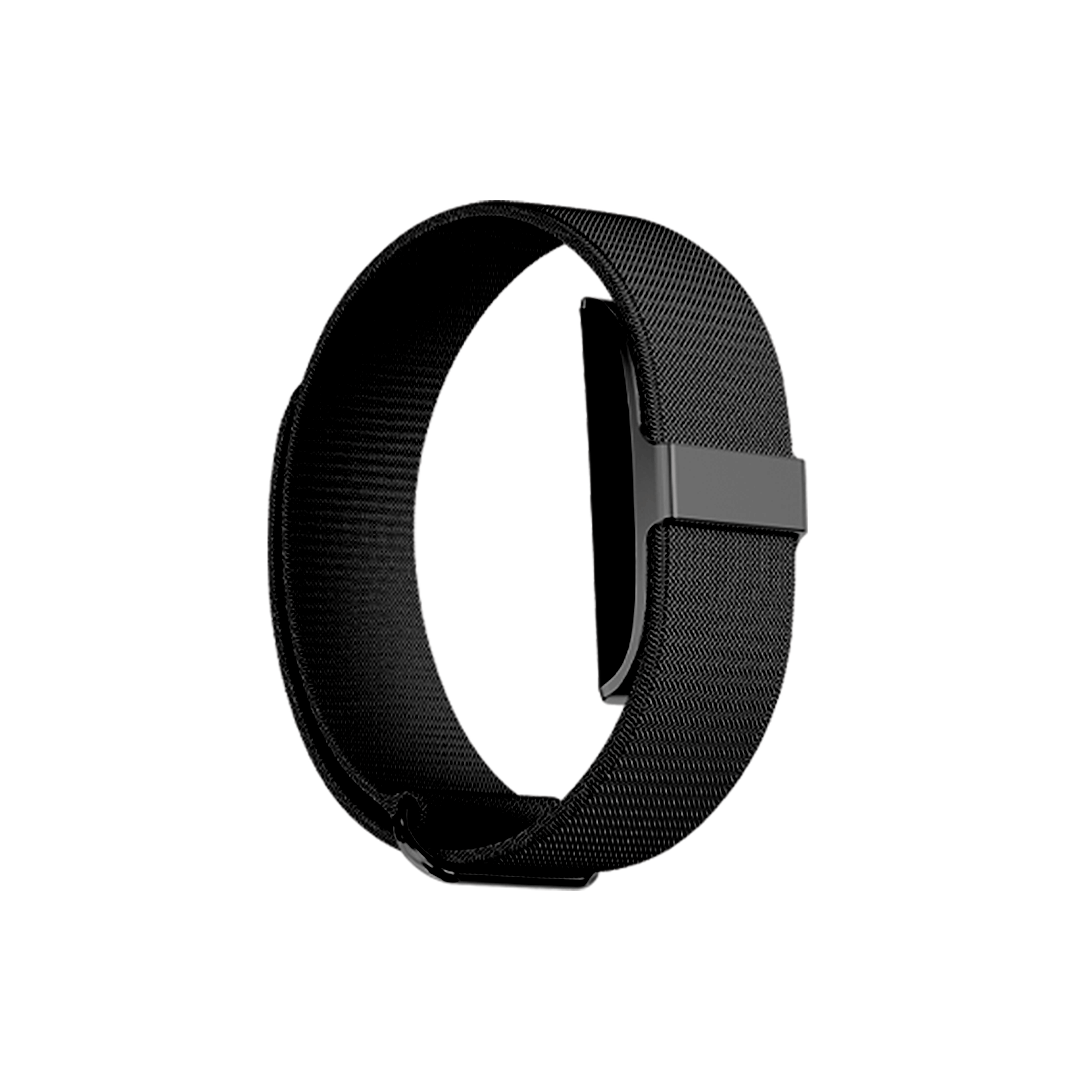
From smartwatches to BP monitors, digital ECGs, and smart health wearables like Future Health, constant tracking helps us understand what the body is trying to tell us before it’s too late.
This article explains how, why, and what you must track to stay one step ahead of heart problems.
What Is Continuous Health Tracking?
Continuous health tracking uses smart wearables to monitor your health indicators every hour, every day, rather than once in a while at a clinic. These devices collect vital data and show trends over time so you can stay ahead of potential issues.
Key Metrics Tracked Continously:
Heart rate & heart rate variability (HRV)
Blood pressure patterns
Sleep quality & oxygen saturation (SpO₂)
Stress levels and recovery scores
Activity and calorie burn trends
Long-term heart rhythm irregularities
This deep, continuous data gives a much more accurate picture of your heart health than isolated clinical measurements.
Why Continuous Health Tracking Matters for Your Heart
The heart never stops working — it beats about 100,000 times a day. Even small anomalies can be early indicators of underlying heart conditions. Continuous tracking detects these so you can act earlier.
1. Early Detection of Hypertension (High Blood Pressure)
High blood pressure often has no symptoms — which is why it’s called the Silent Killer. Regular clinic checks may miss variations caused by stress, sleep, caffeine, meals, or daily routines.
Continuous tracking lets you spot:
Morning BP spikes
Stress-linked changes
Masked or white-coat hypertension
Early trends before damage occurs
Instead of guessing, continuous data gives you patterns, not snapshots — so you know when to act.
2. Catching Heart Rhythm Irregularities Early
Irregular heart rhythms (arrhythmias) — such as atrial fibrillation — can increase your risk of stroke or heart failure if left undetected. Wearables with ECG and heart rate sensors analyze heart rhythm constantly and alert you to abnormalities.
Nowadays, wearables use technologies like photoplethysmography (PPG) and electrical activity measurement to watch for anomalies, giving insights a single ECG in a clinic can’t provide.
3. Real-Time Stress Monitoring and Heart Rate Variability (HRV)
Chronic stress doesn’t just affect mood — it affects your heart. Low HRV is strongly linked to stress, poor recovery, and heart risk.
Continuous tracking shows how your heart responds during:
Stressful meetings
Arguments
Sleep deprivation
Mental overload
This analysis pushes health awareness beyond calories, helping you make lifestyle changes before stress turns into disease.
4. Sleep Tracking for Better Heart Health
Poor sleep is a major risk factor for cardiovascular problems. Wearables can track:
Light, deep & REM sleep stages
Oxygen dips during sleep (potential sleep apnea)
Frequency of awakenings
Consistently poor sleep patterns can contribute to hypertension, weight gain, insulin resistance, and heart strain. Monitoring sleep quality helps prevent these long-term risks.
5. Activity Tracking Encourages Heart-Strengthening Habits
Daily movement impacts your cardiovascular fitness. Continuous tracking gives you:
Step counts and intensity
Heart rate response to exercise
Calories burned
Recovery time
This motivates consistent activity, builds heart endurance, and lowers heart disease risk.
6. Detecting Silent Heart Stress in Daily Life
Today’s lifestyle — long sitting hours, dehydration, caffeine spikes, and constant screen time — stresses your cardiovascular system. Continuous tracking reveals:
Blood pressure reactions to salt or sugar
Heart rate spikes after stress
Slow recovery from exertion
Oxygen drops during fatigue
These insights help you adjust habits in real time before damage builds up.
7. Long-Term Data Improves Medical Diagnosis and Treatment
Doctors used to depend on single readings during annual checkups. Now with continuous tracking, they can see:
Weekly & monthly patterns
Lifestyle-linked fluctuations
Correlations between sleep, stress and heart data
This leads to more accurate diagnosis, better treatment plans, and stronger prevention strategies.
8. Immediate Alerts Prevent Emergencies
Modern wearables send real-time alerts for:
⚠️ High or low blood pressure
⚠️ Irregular heartbeat
⚠️ Sudden heart rate spikes
⚠️ Low oxygen levels
⚠️ Abnormal rhythm patterns
These alerts can prompt immediate action — potentially avoiding a stroke, heart attack, or emergency hospitalization.
9. Continuous Tracking Makes You More Responsible About Your Health
When you see your numbers every day, you naturally become more aware and disciplined.
It helps in:
- Choosing healthier food
- Sleeping on time
- Reducing caffeine
- Managing weight
- Avoiding stress triggers
- Staying active
Awareness leads to discipline, and discipline leads to prevention.
Why Continuous Health Tracking Is Essential in Today’s Lifestyle
We live in a world where:
- People sleep less
- Stress is higher
- Workload is heavier
- Junk food is cheaper
- Screen time is longer
- Exercise is rare
So heart diseases are appearing earlier — even in 18–30-year-olds.
Your heart works 24/7 — your health tracking should too. With continuous monitoring, you don’t just react to symptoms — you prevent them. In 2026, wearable health tracking is no longer a luxury, it’s a lifesaving habit.

Dr. Aishwarya Bhaskar Umale
Dr. Aishwarya Bhaskar Umale is a medical professional and writer focused on making healthcare simple and understandable. She began her journey at VYWS Dental College and Hospital, Amravati, and later published 10+ articles with MedBound to simplify health topics for a wider audience.
She previously worked at ACKO as a pilot doctor, leading the health insurance vertical, where she gained deeper insight into how people experience healthcare. Currently, she works as a Medical Data Analyst on cancer-related projects within the U.S. healthcare sector.
Through her blog, she shares practical insights and reflections on healthcare in a clear and relatable way.