
How Wearables Improve Your Sleep Routine?
(And Are Sleep Trackers Really Accurate?)
Last updated: 01-01-2026

We all know sleep is important.
But most of us don’t actually know how well we sleep.
We wake up tired.
We assume we slept “okay.”
We blame stress, screens, or late coffee.
Here’s the reality:
Your body knows your sleep better than you do — and now, your wearable does too.
Modern wearable devices can track sleep patterns, detect disturbances, and help improve routines using real biological signals — not guesswork.
Let’s break down how sleep wearables actually work — and how they can help you sleep better.
What Do Wearables Track During Sleep?
Most modern wearables use a combination of:
Accelerometers → detect movement
PPG sensors (photoplethysmography) → monitor heart rate patterns
Heart Rate Variability (HRV) → measure recovery
SpO₂ sensors → track blood oxygen levels
Temperature & ambient sensors (in advanced models)
According to global sleep research, multi-sensor wearables provide significantly better sleep insights compared to motion-only devices.
💡 Takeaway: Sleep trackers don’t just guess. They analyze heart rhythm, motion, and physiological signals to estimate sleep quality.
Why Sleep Tracking Matters for Heart & Overall Health
Sleep affects:
Cardiovascular health
Stress regulation
Hormonal balance
Immune function
Metabolism
Mental clarity
Poor sleep increases risk for:
Hypertension
Obesity
Diabetes
Anxiety
Heart disease
Clinical sleep studies (polysomnography) are accurate but:
Expensive
Done in labs
Uncomfortable
Infrequent
Wearables bring continuous sleep monitoring into your home.
That’s where continuous health tracking becomes powerful.
(Internal link suggestion: link to your previous blog on continuous health tracking.)
How Wearables Detect Sleep Problems Early
Your wearable may notice issues before you consciously feel them.
- Bedtime Drift: Gradually sleeping later? Your app shows it clearly.
- Long Sleep Latency: Taking too long to fall asleep can signal stress or overstimulation.
- Night-Time Awakenings: You may not remember waking up — but your heart rate and motion data do.
- Sleep Fragmentation: Frequent tossing and turning = light, poor-quality sleep.
- Irregular Sleep Cycles: Inconsistent timing affects circadian rhythm and recovery.
On average, wearables detect sleep vs. wake states with ~85–90% accuracy — strong enough for lifestyle monitoring.
💡 Key insight: Sleep trackers are excellent at identifying trends, not diagnosing disease.
How Wearables Actually Fix Your Sleep Routine
This is where behavioral science meets technology.
Wearables don’t “fix” your body.
They fix your habits.
1. They Create Consistent Bedtimes
Regular tracking increases sleep schedule consistency — one of the biggest predictors of sleep quality.
2. They Reduce Revenge Bedtime Procrastination
Seeing sleep debt accumulate discourages late-night scrolling.
3. They Reveal Cause & Effect
Late meals → worse sleep
High stress → fragmented sleep
Irregular routine → poor recovery
Data creates awareness.
Awareness creates change.
4. They Improve Recovery Monitoring
Tracking HRV and resting heart rate during sleep helps you understand:
Is your body stressed?
Did you recover well?
Are you overtraining?
5. They Gamify Sleep
Sleep scores, streaks, trends — these psychological nudges encourage consistency.
And consistency is what improves sleep long term
Are Sleep Trackers Accurate?
Here’s the honest answer:
✔ Sleep vs. wake detection: ~85–90% accuracy
✔ Trend tracking: Reliable
⚠ Sleep stage classification (REM, Deep): 65–70% range
❌ Not a replacement for clinical diagnosis
Wearables are habit optimization tools, not medical diagnostic devices.
But for improving routine and consistency? They’re highly effective.
How Future Health Wearables Help Improve Sleep
For real sleep improvement, you need consistent, accurate tracking combined with behavioral insights
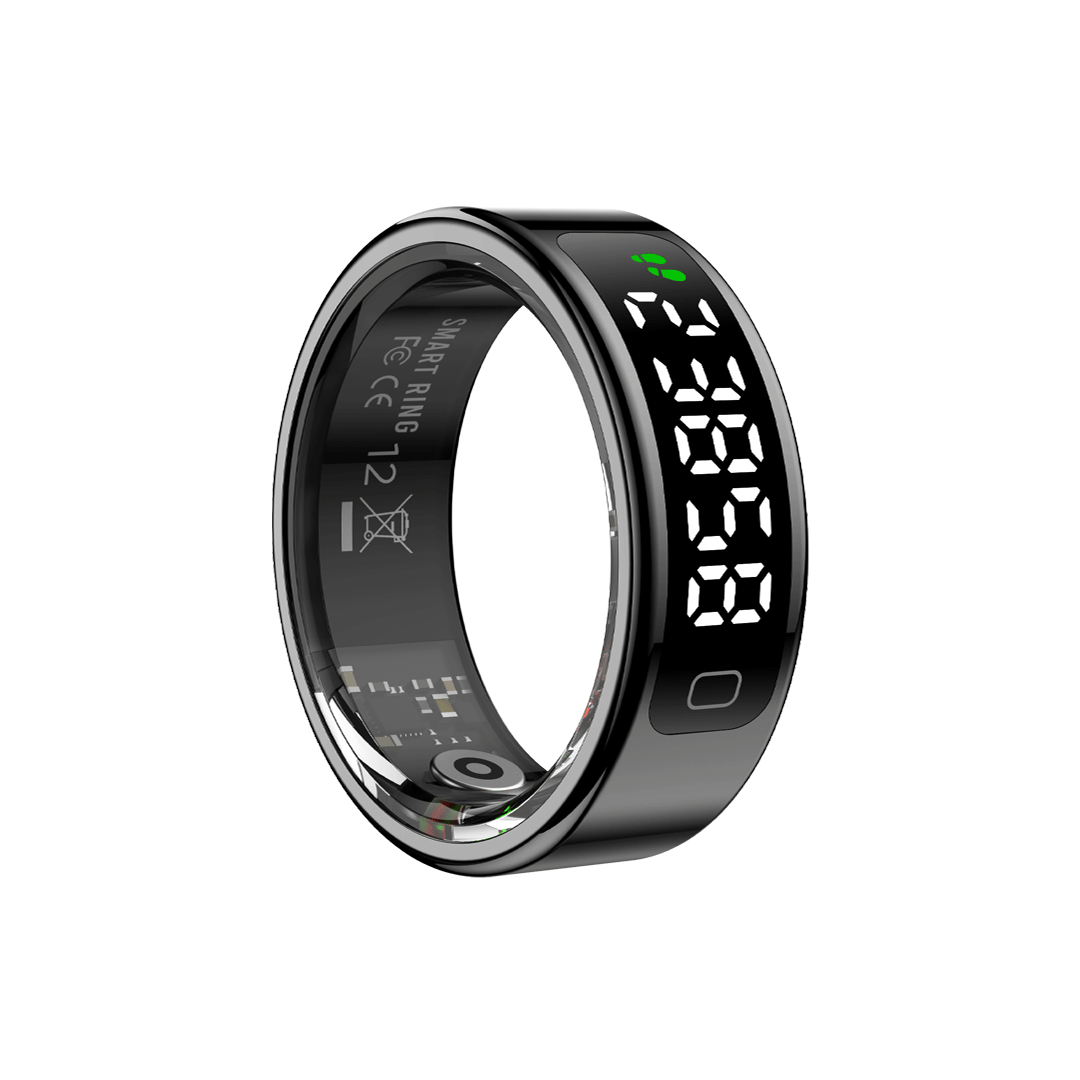
Future Health Ring
Tracks:
Heart rate patterns
Sleep stages
Stress levels
Recovery trends
Daily movement insights
It helps you understand whether 6,000 steps were effective — or whether your body needed more recovery instead.
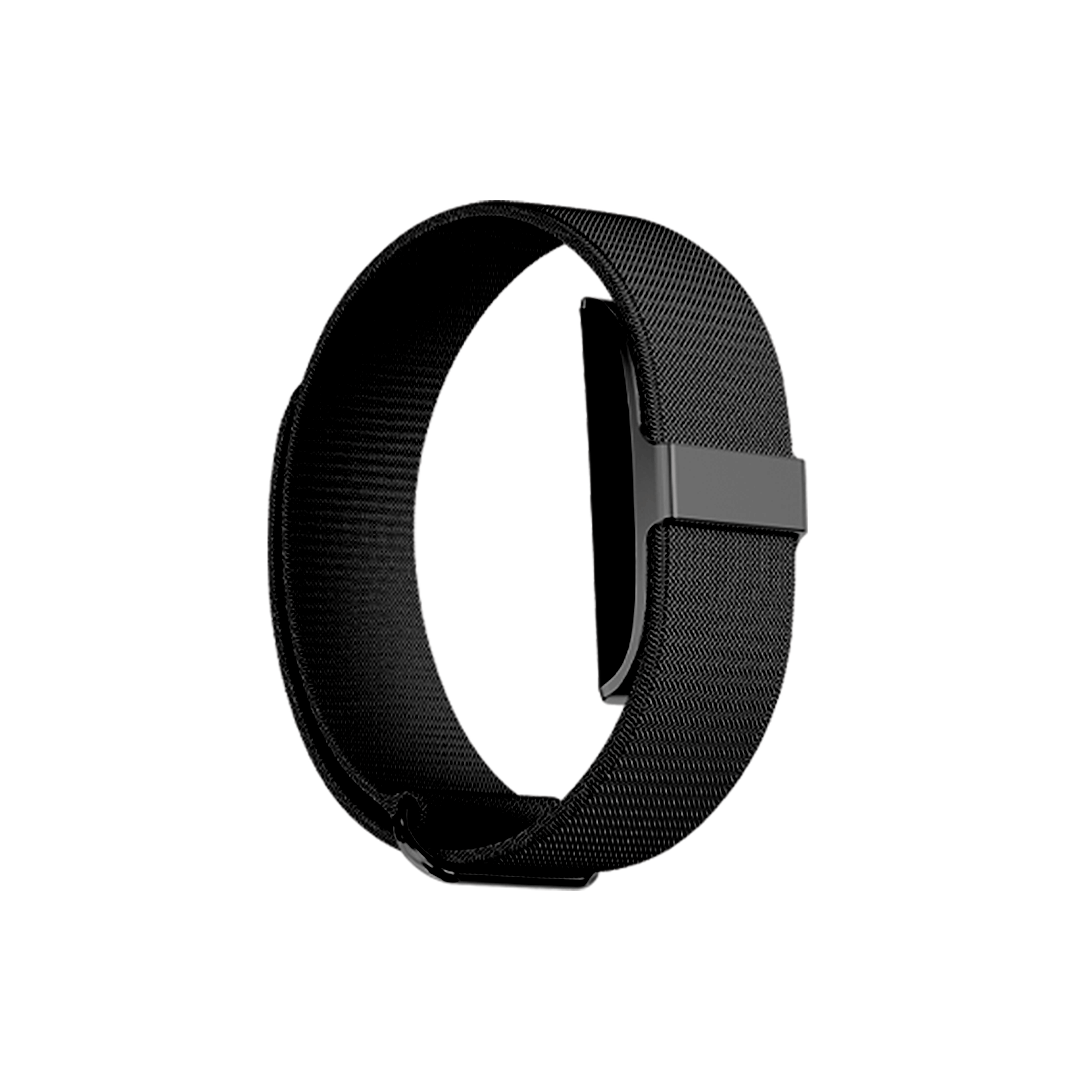
Future Health Band
Monitors:
Real-time heart rate
Blood pressure trends
SpO₂ levels
Activity tracking
Stress monitoring
Rather than obsessing over 10,000 steps, you can focus on what truly matters: heart response and long-term trends.
That’s real preventive health.
What Wearables Can — and Cannot — Do
Wearables Can:
- Track sleep duration
Detect awakenings
Identify irregular routines
Monitor heart rate & HRV trends
Encourage habit formation
Wearables CANNOT:
Diagnose insomnia
Replace clinical sleep studies
Detect complex sleep apnea alone
Provide perfect sleep stage accuracy
Understanding this difference builds trust — and credibility for your brand.
The Bottom Line
Wearables don’t fix sleep by changing your physiology.
They fix sleep by changing your behavior.
Data → Awareness → Consistency → Better Sleep
In a world where sleep is often sacrificed first, continuous tracking helps you prioritize recovery — which directly supports heart health, metabolism, and mental clarity.
And that’s where real preventive health begins.

Dr. Ashel Olivia Dsouza
Dr. Ashel Olivia Dsouza is a dental surgeon and Endodontist with a focus on conservative, precision-based dentistry. She completed her BDS at Oxford Dental College and her MDS in Endodontics from VS Dental College.
She currently practices as an Endodontist in private practice and has a strong interest in academic research, with experience in thesis writing and a publication to her credit.
Alongside her clinical work, she writes health blogs aimed at simplifying medical concepts and making healthcare easier to understand.