
Is 10,000 Steps a Myth?
How Many Steps Do You Really Need for Heart Health?
Last updated: 01-01-2026
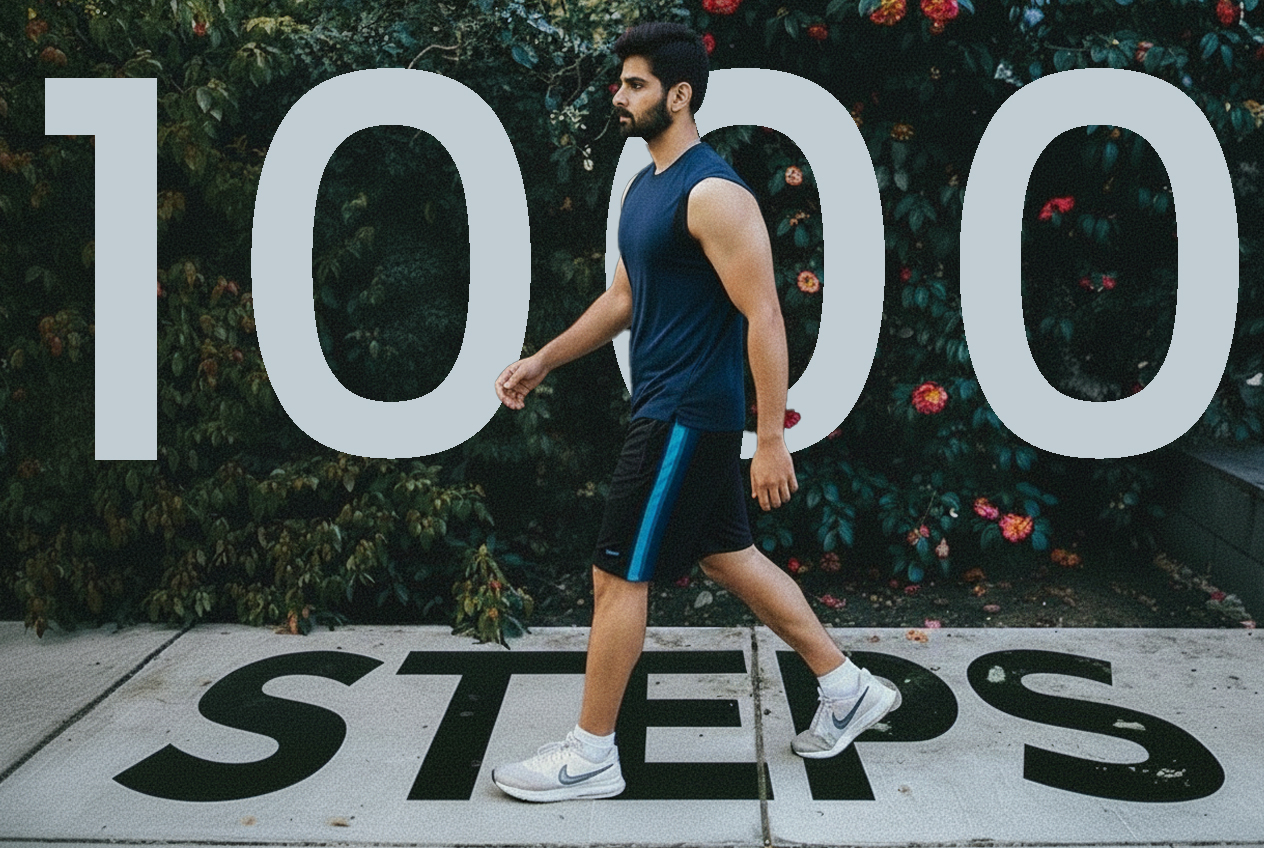
For years, fitness trackers have pushed one magic number: 10,000 steps per day.
Miss it? Guilt.
Hit it? Success.
But here’s the truth — the 10,000-step goal didn’t come from medical research. It came from a 1965 Japanese marketing campaign for a pedometer called the Manpo-kei (“10,000 steps meter”).
So if it wasn’t science… how many steps do you actually need for heart health?
Let’s break it down.
Where Did the 10,000 Steps Rule Come From?
The number became popular because it sounded clean, simple, and motivational.
But modern research shows that health benefits start much earlier.
Several large studies show:
6,000–8,000 steps significantly reduce cardiovascular disease risk
Around 7,000 steps per day lowers early mortality risk
Even 4,000–5,000 steps improves heart health in older adults
The key isn’t chasing a number.
It’s consistent daily movement that improves heart rate, circulation, and metabolic health.
Why 10,000 Steps Don’t Work for Everyone
Search intent here: “Is 10,000 steps enough?” “Is 10,000 steps too much?”
The real answer? It depends.
1. Age Matters
- Younger adults may benefit from 8,000–12,000 steps
- Adults over 60 often see peak benefits around 6,000–8,000
Women over 70 saw mortality reduction starting at ~4,400 steps
More isn’t always better — especially if recovery capacity is lower.
2. Fitness Level Changes the Equation
- A sedentary beginner benefits massively from going from 2,000 → 5,000 steps
- A weightlifter with strong cardiovascular fitness may need intensity, not volume
Athletes may need interval training rather than step accumulation
Steps measure movement, not effort.
3. Health Conditions Require Personalization
10,000 steps can be unrealistic for:
People with knee pain or arthritis
Individuals with obesity
Those recovering from illness
People with chronic conditions
In these cases, forcing a high target increases injury risk and burnout.
Gradual progression wins.
4. Sitting 10 Hours Cancels the Benefit
Even if you hit 10,000 steps, prolonged sitting harms vascular health.
What matters is:
Breaking up sedentary time
Light movement throughout the day
Elevated heart rate periods
Movement distribution > total number.
The Psychological Trap of 10,000 Steps
Rigid targets can backfire.
When goals feel unattainable:
People quit
Motivation drops
Fitness becomes punishment
Instead of “Did I hit 10k?”, ask:
Did I move more than yesterday?
Did I challenge my heart?
Did I reduce sitting?
Sustainable goals create lifelong results.
So… How Many Steps Do You Really Need?
Here’s a practical breakdown:
| Goal | Recommended Range |
|---|---|
|
General health |
6,000–8,000 steps |
|
Weight management |
7,000–10,000 steps |
|
Sedentary beginner |
Start at 4,000–5,000 |
|
Older adults |
4,000–7,000 steps |
|
Athletic individuals |
Combine steps + intensity |
But here’s the bigger truth:
Step count alone doesn’t measure heart health.
Heart rate response, recovery time, sleep quality, and stress levels matter just as much.
Beyond Steps: What Truly Improves Heart Health
To optimize cardiovascular health, focus on:
Resting heart rate trends
Heart rate variability (HRV)
Recovery after exercise
Sleep quality
Daily stress load
Blood oxygen levels
That’s where continuous health tracking becomes powerful.
How Future Health Wearables Help You Move Smarter
Instead of chasing a fixed number, smart wearables allow you to understand how your body responds to movement.
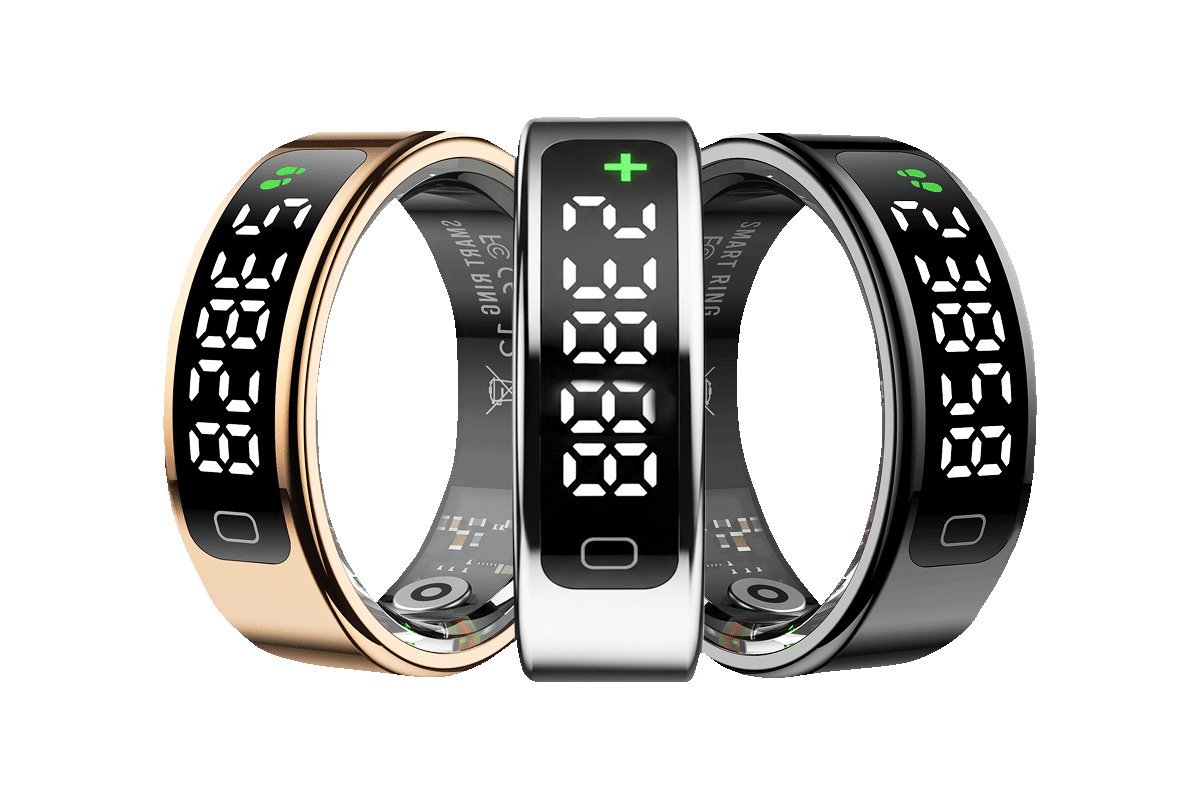
Future Health Ring
Tracks:
-
Heart rate patterns
-
Sleep stages
-
Stress levels
-
Recovery trends
-
Daily movement insights
It helps you understand whether 6,000 steps were effective — or whether your body needed more recovery instead.
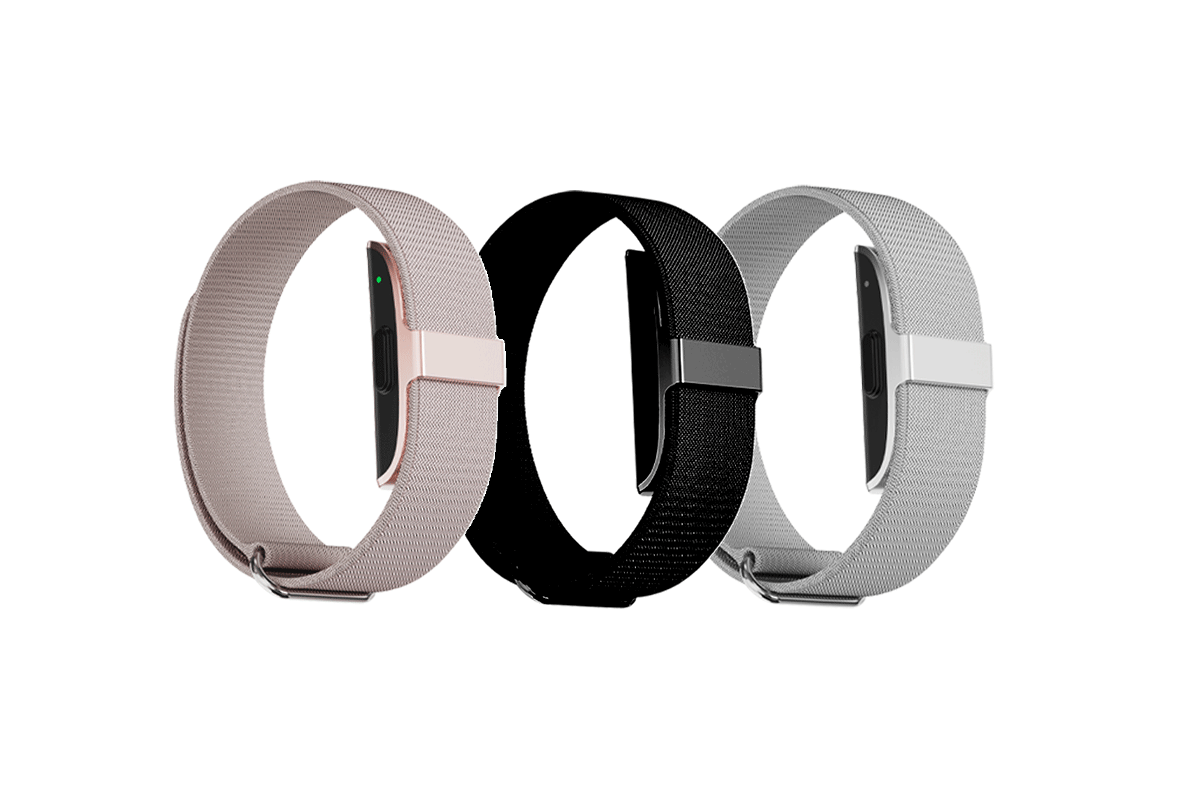
Future Health Band
Monitors:
-
Real-time heart rate
-
Blood pressure trends
-
SpO₂ levels
-
Activity tracking
-
Stress monitoring
Rather than obsessing over 10,000 steps, you can focus on what truly matters: heart response and long-term trends.
That’s real preventive health.
The Smarter Approach to Daily Movement
Instead of forcing 10,000 steps:
Start with your baseline
Add 1,000–2,000 steps gradually
Include brisk walking or stairs
Add strength training
Reduce prolonged sitting
The best step goal is the one you can sustain.
Final Takeaway
10,000 steps isn’t magic.
It’s a marketing number.
Your heart doesn’t care about round figures.
It responds to consistency, intensity, recovery, and sleep.
Whether your sweet spot is 5,000 or 12,000 steps, the goal is simple:
Move more.
Sit less.
Track smartly.
Adjust personally.
That’s how real heart health is built.

Dr. Anjali
Dr. Anjali is an MBBS intern with a strong interest in making healthcare simple and accessible. Alongside her medical training, she has worked as a Subject Matter Expert with Learn As You Go and BookHive, where she simplified complex academic and medical concepts for learners.
Through her blog, she shares clinical reflections and evidence-based insights on health, lifestyle, and preventive care — presented in a clear, practical, and responsible way.